
Generative AI Meets Libraries
Tools for a More Inclusive Experience

Libraries are evolving rapidly to meet the needs of a diverse, digitally connected world, and generative AI is playing a pivotal role in this transformation. From breaking down language barriers with multilingual support to ensuring accessibility for patrons of all abilities, AI-powered tools are revolutionizing how libraries serve their communities. Beyond enhancing inclusivity, these technologies streamline library operations, automate repetitive tasks, and enable staff to focus on more impactful work. Whether creating accessible materials, translating resources, or improving overall efficiency, generative AI is helping libraries fulfill their mission of equitable access to knowledge in bold new ways.

Boosting Operational Efficiency
Beyond direct user services, generative AI can optimize internal library operations. The technology can aid in metadata generation, enabling libraries to process and categorize new acquisitions more effectively. AI can analyze documents and suggest appropriate subject headings, keywords, and classifications, thereby reducing the time required for cataloging while ensuring accuracy.
The AI-driven analysis also benefits collection development. By examining usage patterns, research trends, and user feedback, AI systems can assist librarians in making informed decisions about resource acquisition and retirement. This data-driven approach ensures that library collections remain relevant and valuable to their communities.
Real-World Example
The library I work at is no different than any other medium-sized public university, and our funding is perpetually either stagnating or cut. AI helped us analyze our user data to best staff our service desk and hours of operation. We would love to be open 24 hours daily to service the community whenever they need the library. But our funding doesn’t afford that luxury. With all of the data and information we collected, it was hard to see where we could make strategic cuts in hours of operation to allocate our services best.
Facilitating Digital Scholarship
Generative AI unlocks new possibilities for digital scholarship initiatives. Libraries can employ AI tools to support researchers in text and data mining projects, assist with transcribing historical documents, and facilitate content analysis across extensive collections. This support enables innovative scholarship and research methodologies that might otherwise be too time-consuming or resource-intensive.
Real-World Example
My research and research assistance requires me to understand legal documents. While I am an expert in locating information, I do not understand some of the language in a court document. I often spend hours reading legislation and looking up terms I didn’t understand or know to get an accurate picture of the document. I can better understand the legal document I’m reading in minutes with any of the generative AI tools.
Let’s use this example from the Georgia Assemble, which was to amend Article 6 of Chapter 2 of Title 20 of the Official Code of Georgia Annotated, the "Quality Basic Education Act." Here’s a look at some of the language of the document. Below are the first two pages of 11.
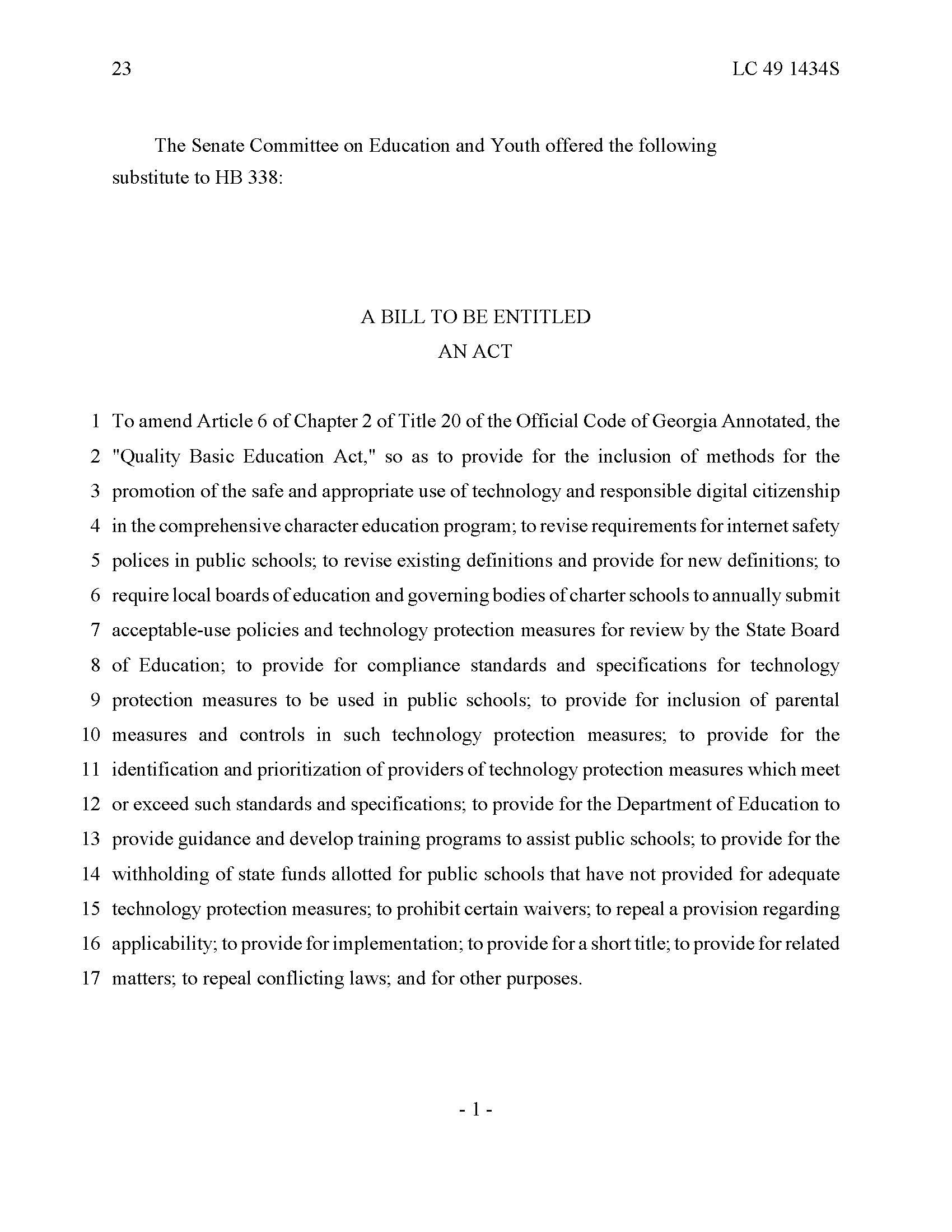
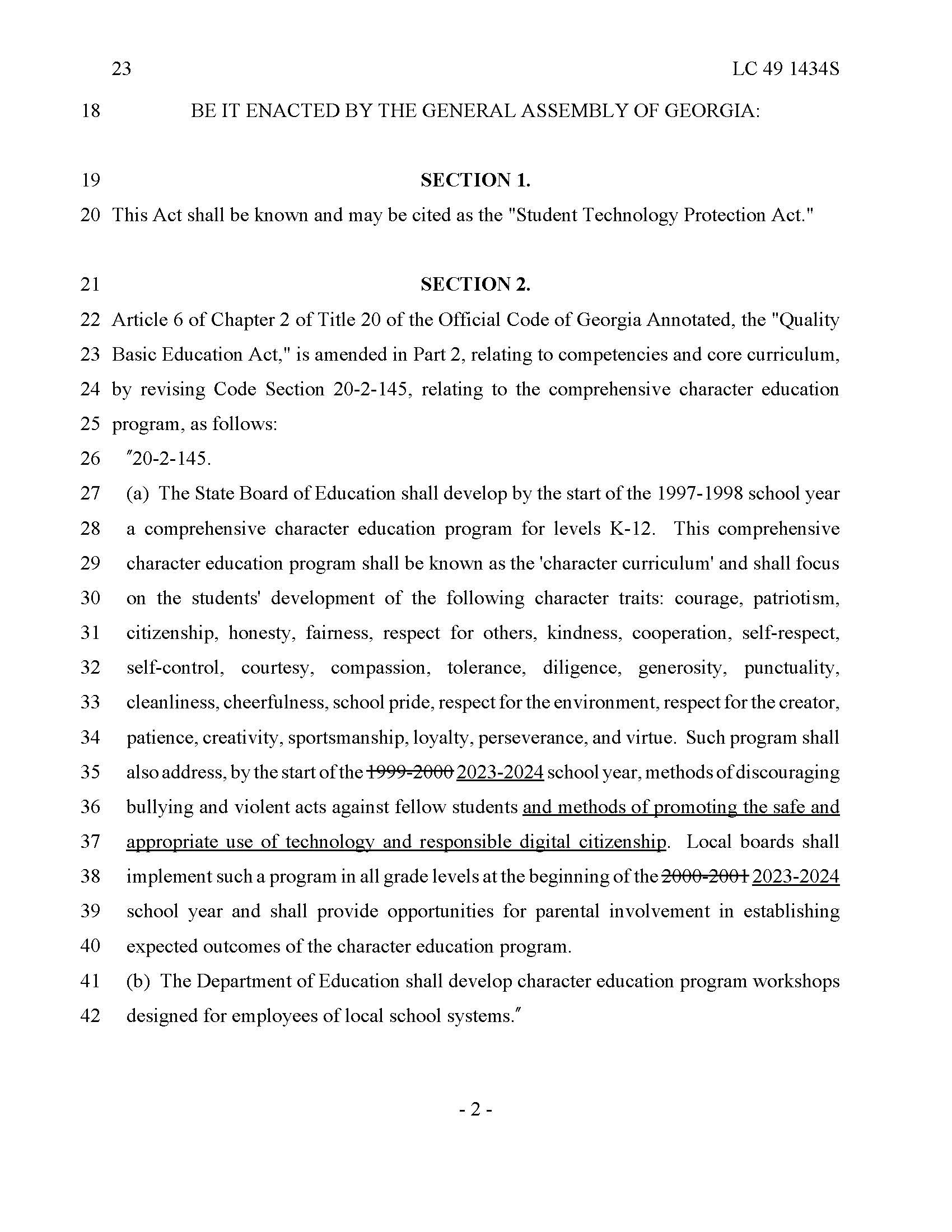
I downloaded the PDF as a simple text file and uploaded it to Claude, who converted the 11 pages of legalese into something that made sense.
This outline would have taken me at least an hour to generate independently. Claude helped me understand it in minutes so I could move on to more important elements of the research.

Improving Accessibility
Multilingual Support
Libraries play a crucial role in fostering inclusivity and accessibility, and multilingual support is a key element in meeting the needs of diverse communities. By leveraging generative AI, libraries can break down language barriers, making resources and services more accessible to non-native speakers. From real-time translations to multilingual audio content, AI-powered tools enable libraries to provide seamless, personalized experiences for patrons, ensuring everyone can fully engage with and benefit from the wealth of knowledge libraries offer.
Real-Time Language Translation: AI tools can offer real-time translation services for library materials, websites, and virtual reference interactions. For instance, patrons of different languages can access translated versions of research guides or ask questions in their preferred language.
Custom Language Learning Aids: AI could create bilingual glossaries, or study aids tailored to library users learning a new language, offering quick cross-references for academic terminology.
Multilingual Audio Content: Generate audiobooks or instructional videos in multiple languages, enabling non-native speakers to engage more effectively with library collections and tutorials.
Accessible Design
Accessible design is a cornerstone of creating inclusive library services that cater to patrons of all abilities. Generative AI can help libraries enhance accessibility by developing materials and tools that meet diverse needs. From generating alt text for images and diagrams to creating screen-reader-friendly content, AI-powered solutions ensure everyone, including individuals with visual, hearing, or cognitive disabilities, can access and engage with library resources. By prioritizing accessible design, libraries uphold their mission of equitable access to knowledge for all.
Automatic Alt-Text Generation: I want to always provide alt-text for all of my images in coursework that I create or in my Libguides. However, it can take forever, especially when developing alt-text for infographics.
AI tools can analyze images, charts, and graphs in digital resources to generate detailed alt-text descriptions, ensuring screen-reader users can access visual information.
Speech-to-Text Transcriptions: Automatically transcribe library events, webinars, or instructional videos into text formats, enabling patrons who are hard of hearing to follow along easily. This can also be handy when generating a paper or other written document. It is often easier to get your ideas written down rather than staring at the screen for an hour trying to get what’s in your head onto it.
Simplified Content Formats: Generative AI can rephrase complex academic texts into more straightforward language for patrons with cognitive disabilities, offering summaries that retain core ideas. This can be particularly helpful for school librarians with multiple learning levels in one class.
Generative AI allows libraries to become more inclusive, accessible, and efficient. By leveraging these tools, libraries can better serve diverse communities, meet the needs of patrons with disabilities, and streamline operations to focus on delivering impactful services. Whether through multilingual support, accessible design, or improved efficiency, generative AI empowers libraries to uphold their mission of equitable access to information for all. As libraries continue to embrace these innovations, they strengthen their role as vital, transformative spaces in a rapidly changing world.